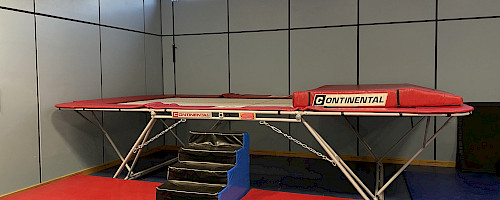

In my previous blog, I introduced an exciting new research project exploring the therapeutic use of trampolines in Occupational Therapy (OT). I’m now pleased to share that the project is officially underway, supervised by Dr Linda Renton, and taking shape as a scoping review titled:
“Therapeutic Use of the Trampoline in Occupational Therapy: A Scoping Review”
This research aims to map and describe the existing literature on how trampolines are used therapeutically, with a particular focus on informing and enhancing Occupational Therapy practice.
Refining the Research Focus
As the project has developed, so too has the clarity around its purpose. The refined objectives are:
- To identify and chart the range of literature on the therapeutic use of trampolines.
- To examine how trampoline-based occupations or activities are conceptualised, implemented, and evaluated in various contexts.
- To explore the reported benefits and challenges associated with trampoline use in therapeutic settings.
- To inform Occupational Therapy practice by highlighting gaps in the literature and suggesting meaningful directions for future research
This last objective has evolved as I’ve reflected more deeply on what I hope this work will contribute. It’s not just about identifying what’s missing — it’s about supporting OTs to make evidence-informed decisions, advocate for innovative interventions, and understand how trampoline-based activities might fit within broader therapeutic goals.
Search Strategy: Casting a Wide Net
To ensure a comprehensive overview, I’m using broad and inclusive search terms such as:
- Rebound Therapy
- Trampoline(s)
- Trampoline Therapy
- Trampoline Rehabilitation
- Trampoline Exercise(s)
This open approach is intentional — I want to capture the full spectrum of how trampolines are being used across disciplines and settings, even if the terminology varies.
Quality and Trustworthiness: Beyond Peer Review
Although this project doesn’t require formal ethical approval, maintaining rigour and transparency is still essential. I’m developing a quality statement to guide how I assess the trustworthiness of sources. While peer-reviewed articles will form the core of the review, I’m also considering grey literature — such as reports from professional bodies — where appropriate.
The key is not whether something is a blog or a journal article, but where it comes from and how it contributes to understanding practice. For example, a blog post from a recognised OT organisation may offer valuable insights, even if it’s not peer-reviewed.
What’s Next?
I’m currently finalising the search strategy and beginning the process of screening and charting the literature. As the review progresses, I’ll be looking for patterns, innovations, and practical implications that can help shape how we think about trampoline use in OT — not just as a fun activity, but as a purposeful, therapeutic tool.